
₿ The Case for Encrypted Finance

Every market is a game. If people can see your hand, they’ll play against you and bleed you dry. On CEXs, insiders see everything. On DEXs, everyone sees everything.
Without privacy, no serious trader brings size into a market where every move gets hunted.
Wynn learned that the hard way.
The Cautionary Tale of James Wynn
In spring 2025, James Wynn became the face of “degen glory”. Riding PEPE runs and 40x longs on Hyperliquid, a few million ballooned into $90 million in seventy days. His wallet, his trades, even his liquidation line—everything was public. Thousands watched him gamble, and win.
But there was one fatal problem: Wynn was playing poker face-up. By May he was holding a $1B Bitcoin long, and everyone knew exactly where to lean to break him.
A liquidation is just the exchange smashing the sell button for you. If your collateral can’t cover losses, your position is dumped at whatever price the market will take, and predators profit by shorting before the cascade—or by scooping up the wreckage after.
The wave hit fast. A 2% dip in BTC—$10 million gone. Then another 55. Another 44. The dominos fell until almost nothing was left.
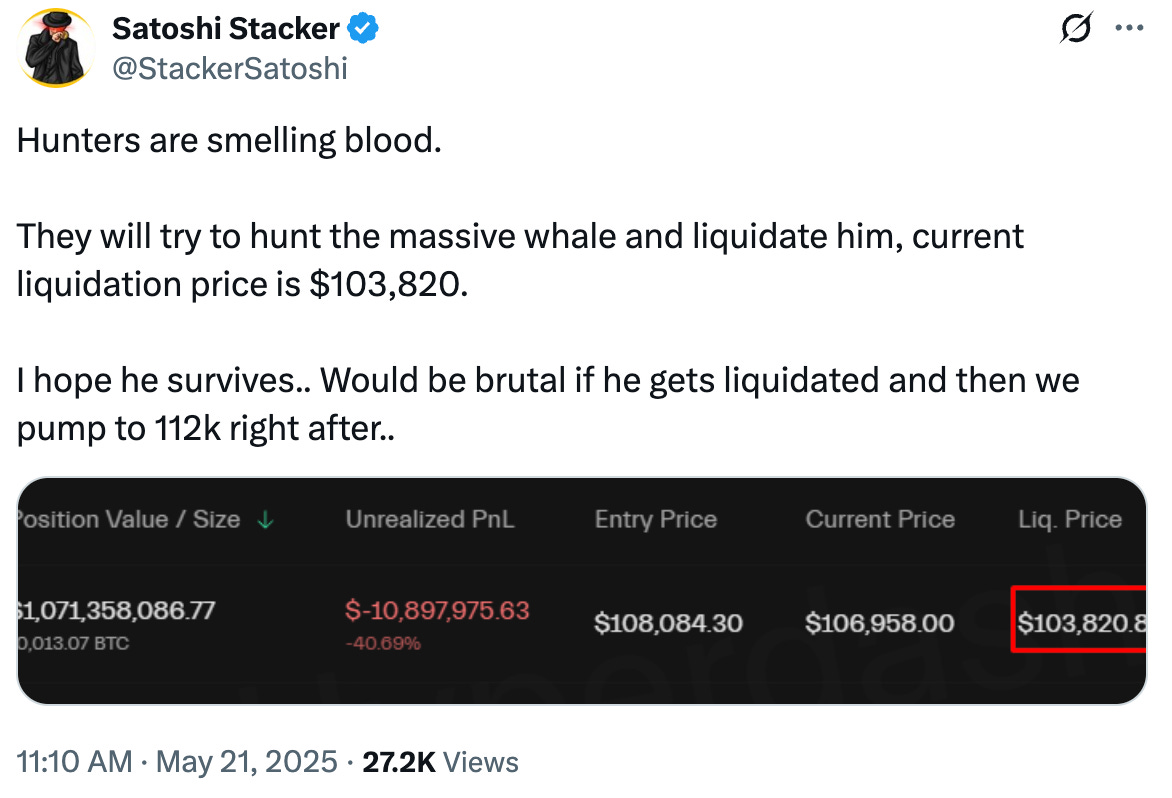
By June, Wynn had lost it all.
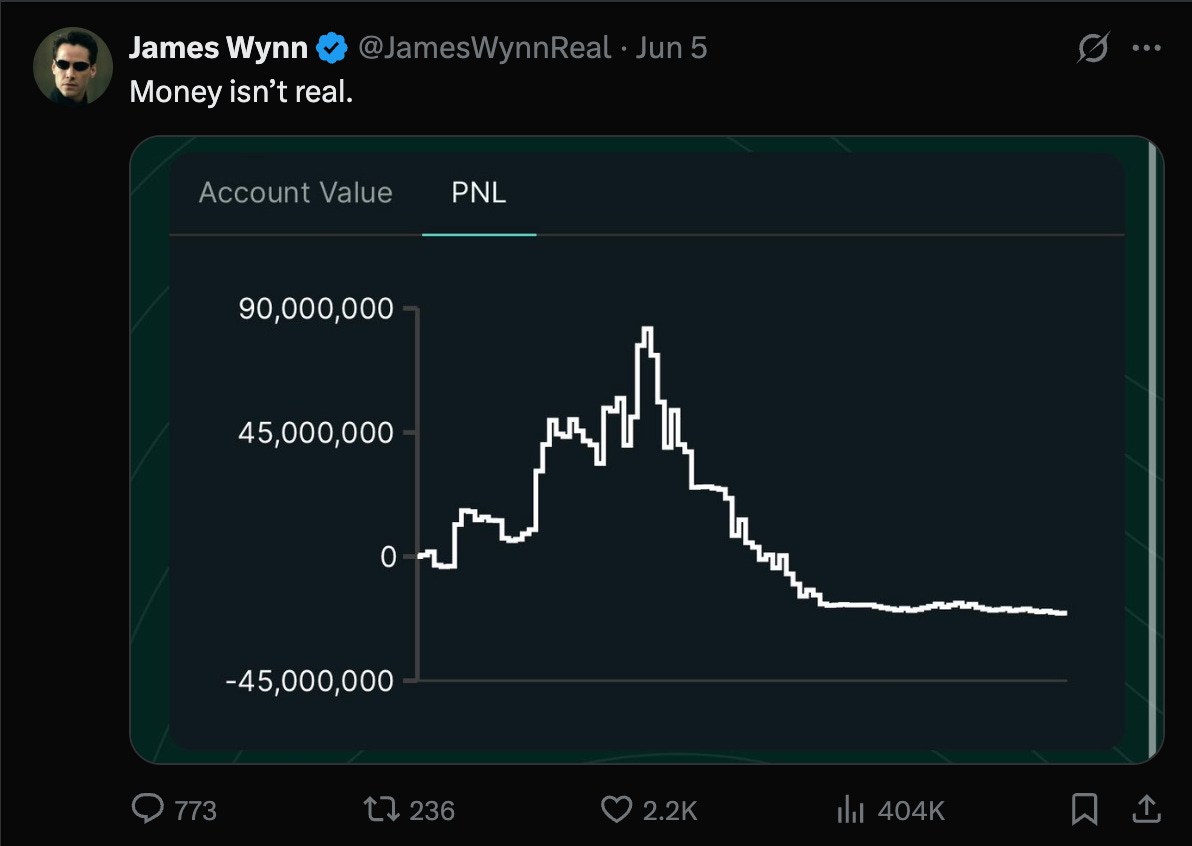
He didn’t just lose to the market. He lost because the market could see him—an easy mark shoved off the cliff.
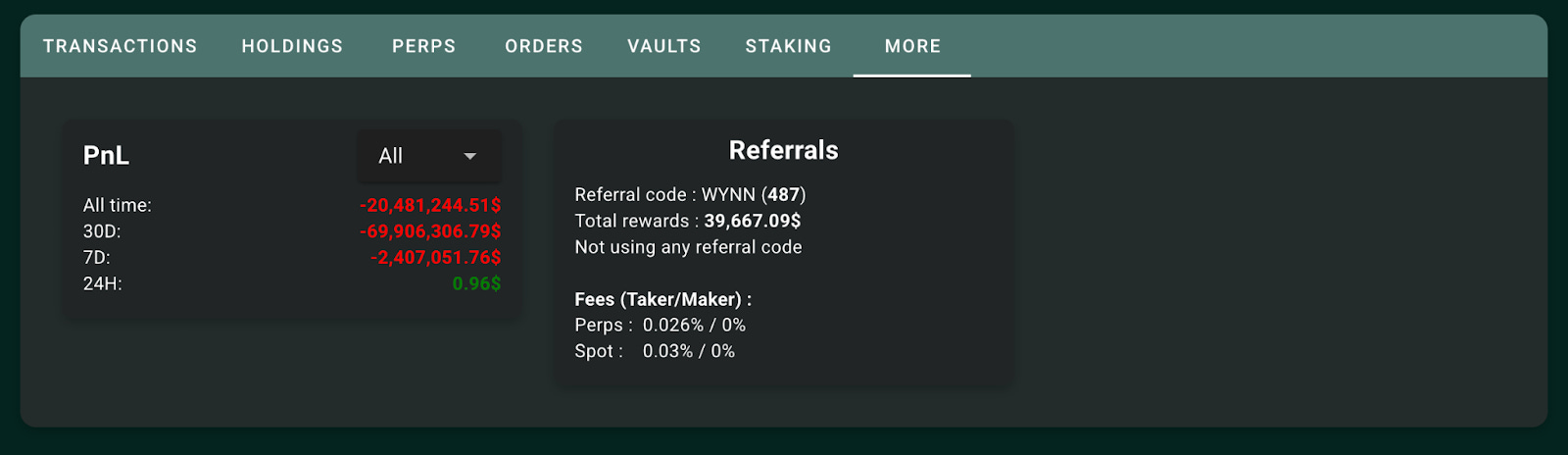
The lesson is blunt: privacy in trading is essential for fair, efficient markets.
The Broken Status Quo
There have been countless other James Wynns because crypto’s trading architecture is broken by design. Today, liquidity lives in two places: centralized exchanges (CEXs) and decentralized exchanges (DEXs).
CEXs1 are fast and liquid—but completely opaque, run by fallible, often fraudulent, humans. The list of disasters is long: FTX, Mt. Gox, Quadriga. Billions vanished overnight because traders had no visibility and no recourse.
DEXs flip the script: self-custodial, transparent—but too transparent. Every order is exposed before it executes. That means predators front-run you, sandwich you, and scalp you. Your intentions get turned into someone else’s alpha.
So traders face a false choice:
CEXs: opaque casinos where insiders peek at your cards and sometimes walk off with the cashbox.
DEXs: open-air markets where everyone sees your cards before you play them.
In other words—Wall Street corruption or DeFi exposure. Pick your poison. What markets actually need is simple: fast, liquid execution where your hand stays hidden until the trade is done.
Volatility: Your Biggest Risk is Other People
Crypto thrives on volatility. Every spike, every crash—more trades, more fees. Exchanges gorge themselves on chaos. They don’t care who wins, only that the game keeps moving.
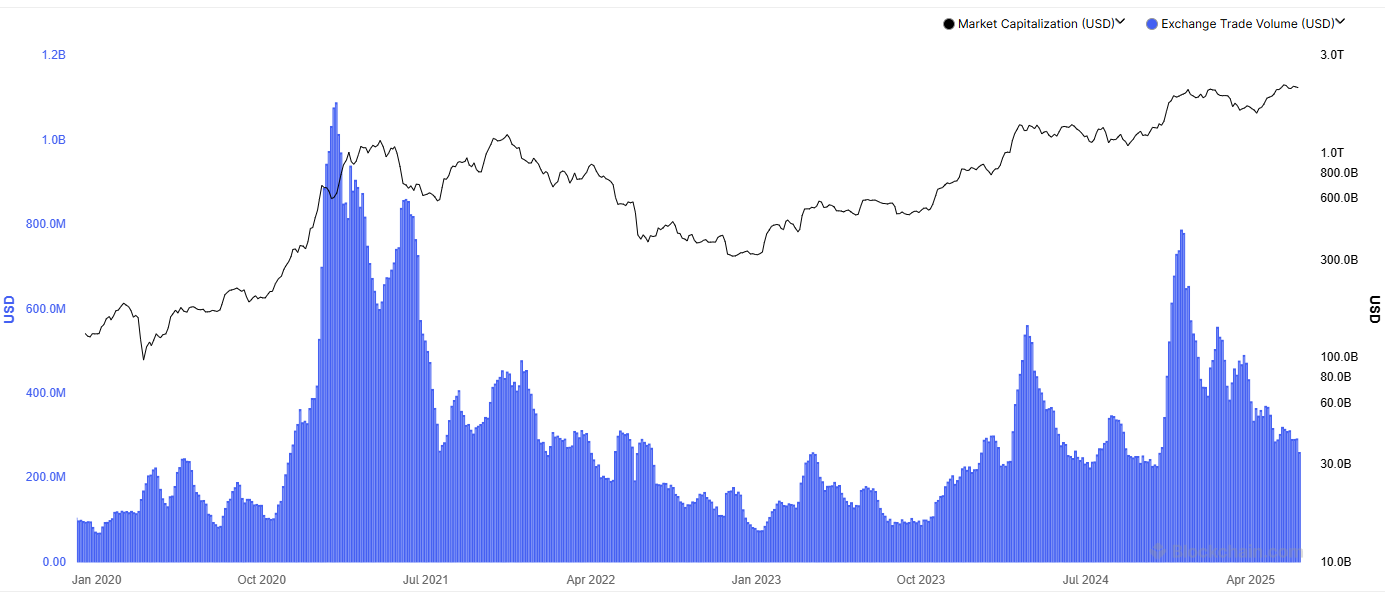
For traders, though, volatility cuts both ways. Hidden, you can surf it. Exposed, you get carved up. Wynn showed the obvious truth: transparency kills.
When BTC swings 5% in an hour, algorithms hunt traders who are close to being forced out of their positions. They push prices just far enough to trigger those forced sells, then profit off the cascade.
Without privacy, volatility paints a target on your back.
From Wall Street to DeFi: The “Dark Pool” Lie
Traditional finance ran into this problem decades ago. Big players needed to move size without telegraphing their intentions. The answer was dark pools: private venues where orders stay hidden until they’re matched.
Today, over 30% of equity trades happen in these pools. But here’s the catch: they were never truly dark—they were smoky backrooms where the dealers saw every hand.

That insider vantage led to endless abuse and billions in fines. In TradFi, your only real protection is regulation—the threat of a jail cell keeping brokers in line.2
Crypto can’t rely on that model. DeFi was built specifically to remove trusted middlemen, which means there’s no regulator standing behind the curtain. Code, not humans, has to guarantee fairness.
Encrypted trading is the next step: real dark pools where no one—not insiders, not operators—sees your hand until the trade is done.
The Ceiling on Crypto
In its current state, DeFi is functionally useless for the biggest market movers. The result is predictable: shallow liquidity and a market that never matures.
Add privacy and the picture flips. Hidden intents allow large orders to move without distortion. Execution improves, liquidity thickens—DeFi shifts from niche experiment to superior market infrastructure.
In the long run, encrypted trading lets DeFi leapfrog Wall Street. Regulators still struggle to police dark pools; DeFi doesn’t need to struggle at all if privacy is built into the base layer—code.
That’s why encrypted finance is the only path forward.
Tristero: The First Real Solution
We didn’t start with a darkpool. We began with a simpler question: what’s the most useful exchange we could build first? The answer was cross-chain spot. Every other exchange was stuck in silos. That’s why we built Mach, our first product, which lets us settle trades on any chain. It gave us a fast way to learn, iterate, and battle-test our liquidity engine.
Tristero is the encrypted execution layer we built on that foundation.
The result: the first real performant dark pool, now live in public beta.
Here’s what trading should have looked like from the start:
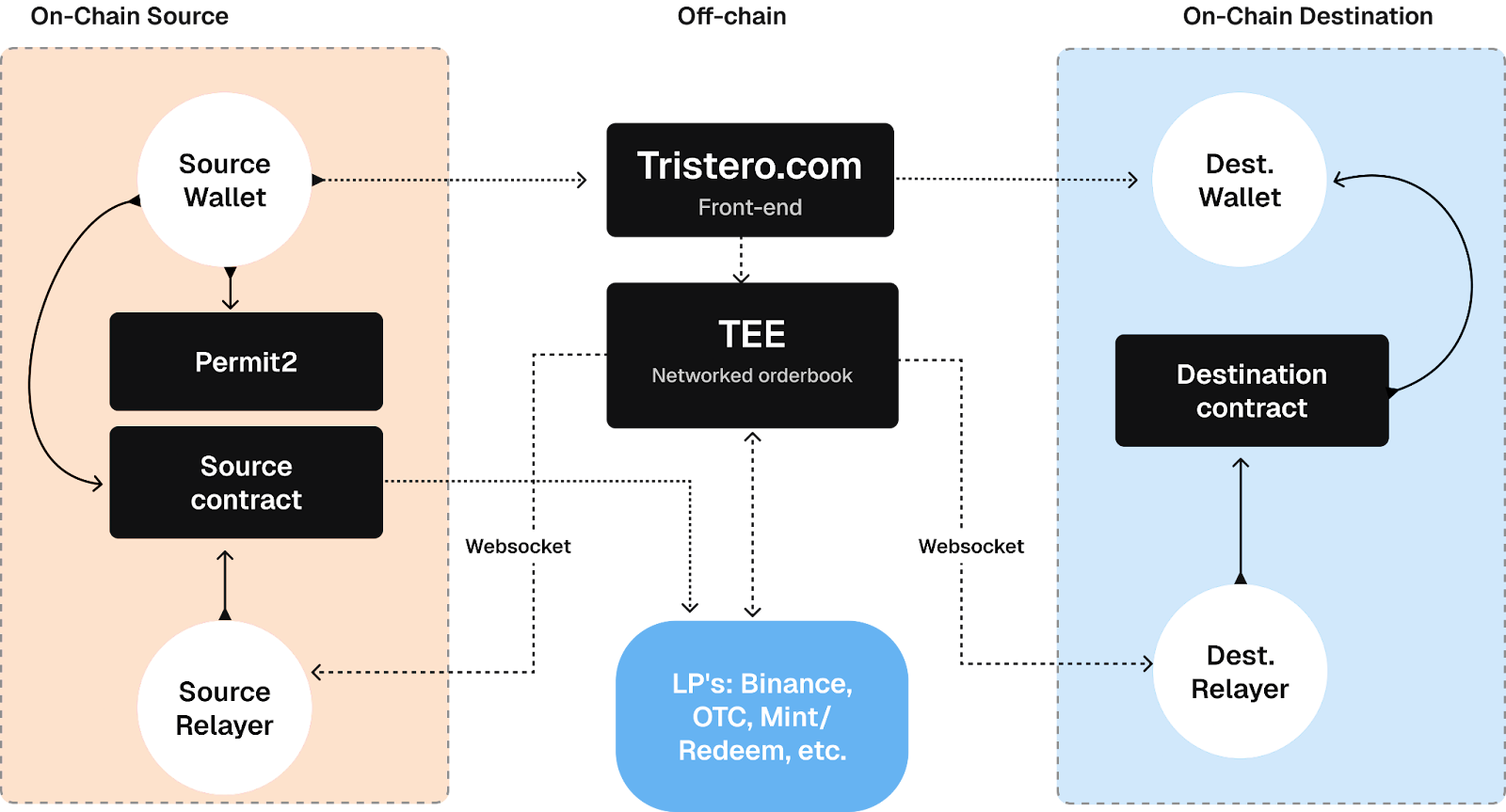
100% private order matching—no one sees your hand until the trade is done.
Settlement to any chain—unified liquidity across ecosystems.
Best execution by default—if we don’t fill internally, our solvers route you to the best price anywhere in DeFi.
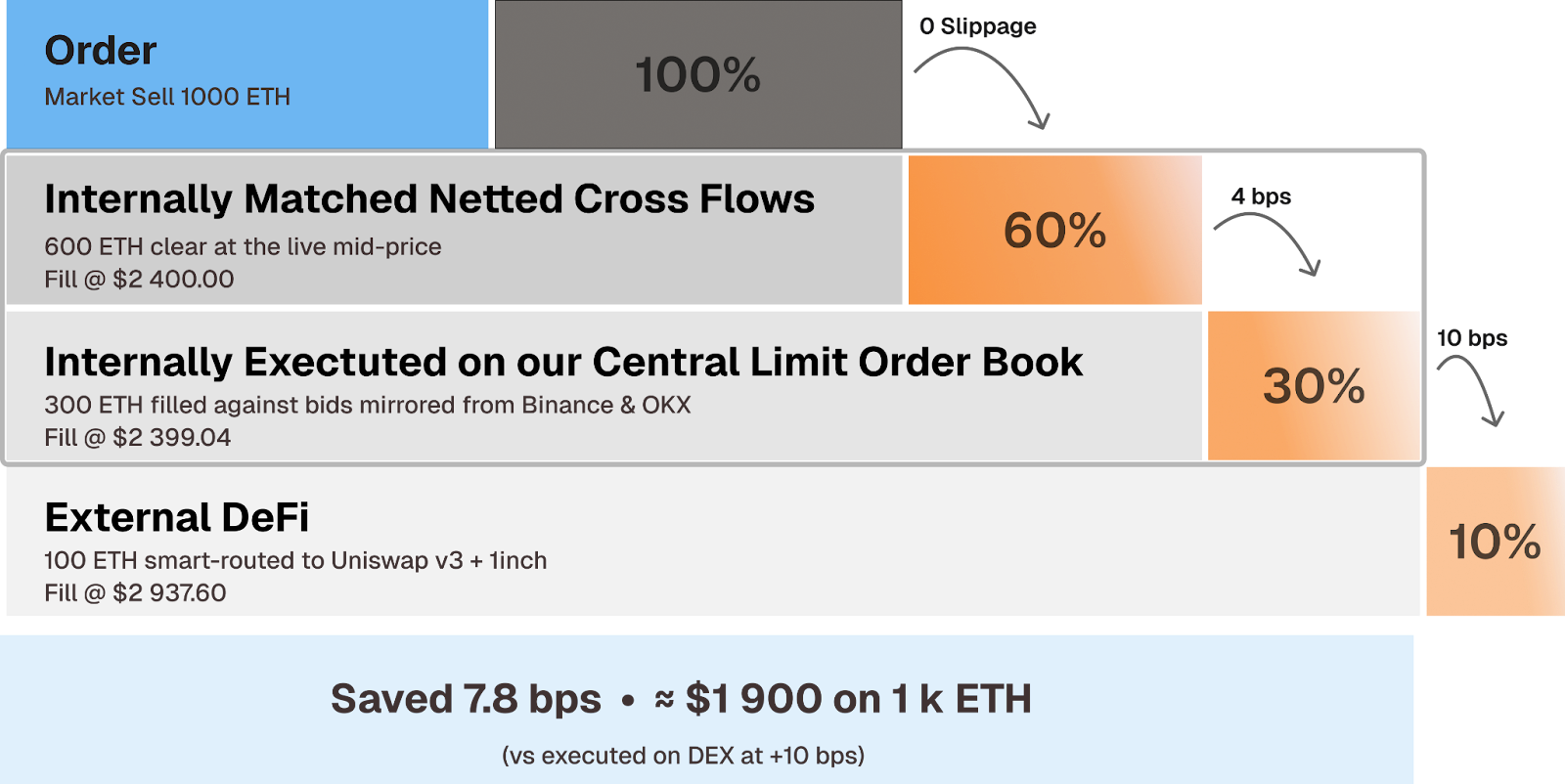
For users, it’s a free play: no downside to routing through Tristero first, with the upside of better prices if we match internally.
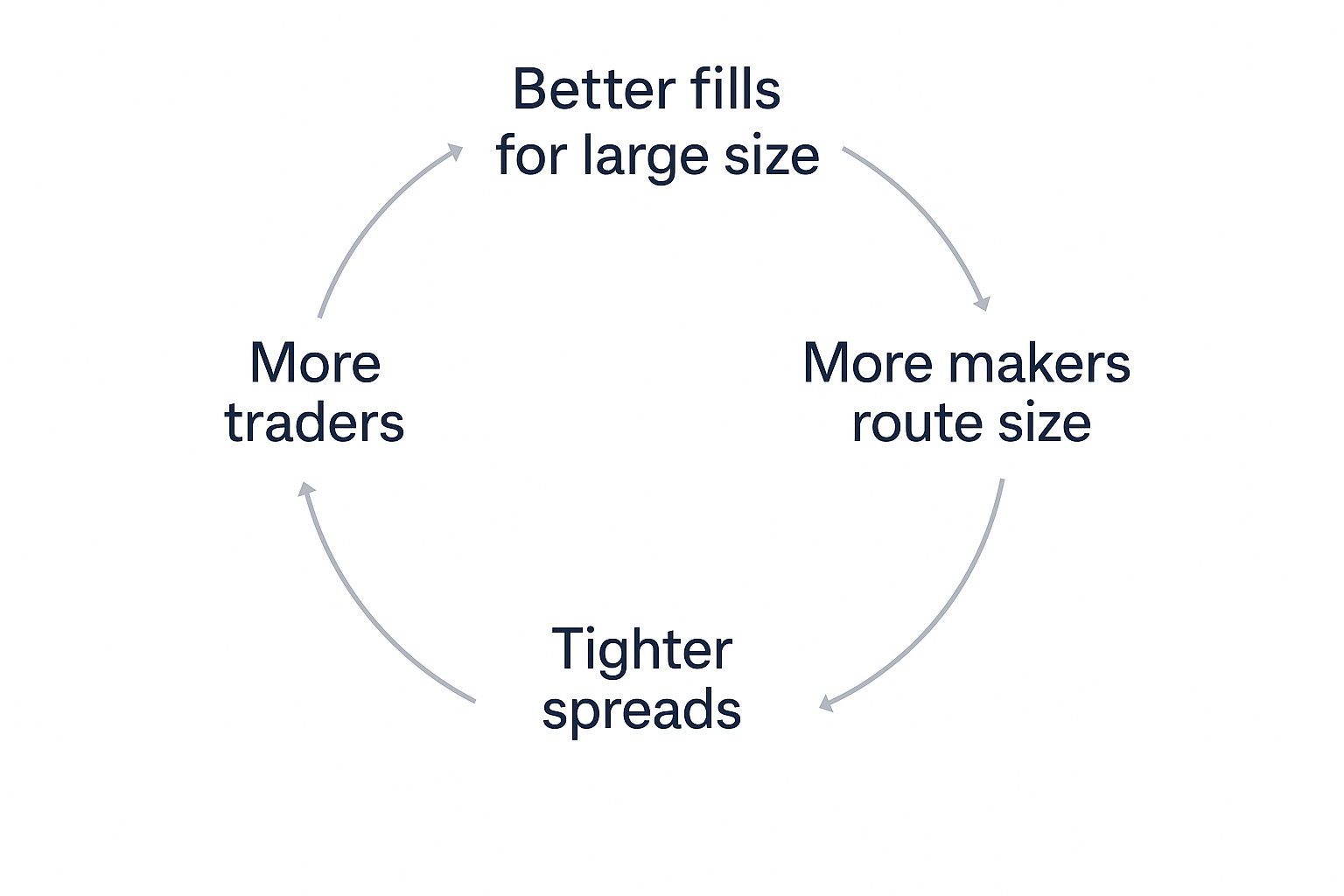
Privacy unlocks the liquidity wheel: once size can move unseen, makers show up, spreads tighten, and everyone trades better.
The Prophecy
Wynn’s fall showed what happens when markets are naked. FTX and Mt. Gox showed what happens when markets are opaque. Both end the same way: your money gone.
Crypto really only has one path: privacy or stagnation.
The current setup—centralized casinos on one side, glass-box ledgers on the other—is the worst of both worlds.
Encrypted trading removes the false choice. It replaces corruption and exposure with fairness enforced directly in code. Hidden hands make real liquidity possible—trades that would never exist in the open. That’s the missing piece that makes real markets possible.
At Tristero we aren’t waiting. We’ve built the first performant darkpool. The future of crypto is simple: trade in confidence, or don’t trade at all.

Top line revenue for the crypto exchange sector today is around 30 billion, most of which is captured by centralized exchanges. Binance likely tops the market with estimated $10–20 billion in annual revenue (based on prior $12 billion in 2022 and the highest global trading volume), while Coinbase reported $6.56 billion in 2024 revenue with $2.6 billion in net income. Crypto.com and Kraken each brought in about $1.5 billion in 2024. On the decentralized side, Uniswap generates over $1.1 billion annually in trading fees (currently paid to liquidity providers), and Hyperliquid, a rising perpetuals DEX, is trending at an $870–880 million annualized fee run rate. Combined, crypto trading platforms—both centralized and decentralized—likely represent over $20–30 billion in yearly fee revenue, with centralized exchanges still commanding the lion’s share.
Incidentally, crypto appears much safer now that SBF is in jail.